May 14, 2026
Incorporating smart technology in home remodeling projects offers a host of benefits, making living spaces more efficient, customizable, and comfortable. For first-time renovators, the integration of smart technology can seem daunting, yet the advantages it brings are substantial. From enhanced security to energy savings and comprehensive home automation, smart homes represent the future of residential living. As technology continues to advance, it is crucial for homeowners embarking on renovation journeys to understand the myriad possibilities and applications of smart home technology. According to This Old House, at least 10% of your total remodeling budget should be set aside for unexpected problems or changes in plans. This guide serves to demystify the integration process, offering detailed insights and practical tips for seamless adoption through quality remodeling.
Prioritize Your Essential Smart Home Features
Smart home technology refers to a setup where devices and appliances are interconnected via the internet, enabling control and automation through voice commands or mobile devices. This technology seamlessly integrates into everyday life, offering conveniences like remotely adjusting thermostats or unlocking doors. As smart home ecosystems expand, they not only enhance living conditions but also reduce energy consumption and increase security. Key to understanding smart home technology is its adaptability and scalability, allowing homeowners to start small and expand over time as needs evolve. Whether integrating a single smart light bulb or a comprehensive array of devices, the possibilities are vast and customizable.
Understand the Core Components of Automation
Smart homes comprise a variety of interconnected components, including smart lighting, thermostats, security systems, and entertainment solutions. Each component offers unique benefits, collectively enhancing the home's infrastructure by providing more control, efficiency, and comfort. The core of a smart home infrastructure lies in its ability to be interconnected, allowing independent devices to work in harmony. Other essential components may include smart locks, surveillance cameras, and efficient water management systems, all contributing to a holistic approach to home management. Understanding these components helps homeowners prioritize their tech investments based on their specific lifestyles and needs.
Maximize Efficiency Through Intelligent Design
The benefits of integrating smart technology into your home are both immediate and long-term, offering improvements in convenience, security, and efficiency. Smart devices can lead to significant energy savings, as they enable optimized use of resources through automation and intelligent scheduling. Enhanced security features, such as remotely monitored cameras and smart locks, provide peace of mind for homeowners. Furthermore, the integration of home technology can increase property value and attract potential buyers who value these modern amenities. Overall, smart homes create an interactive, efficient environment that enhances daily living during a remodeling project.
Address Common Myths Regarding Technology
Many people assume that smart home technology is prohibitively expensive or overly complex, deterring them from adoption. However, the reality is that smart home systems can be implemented incrementally, starting with a few basic devices that fit within almost any budget. Another common myth is that smart homes are susceptible to hacking, yet with proper security measures in place, they can be as secure as traditional homes. Additionally, some believe that smart technology does not integrate well with existing infrastructure, yet most systems are designed with compatibility in mind. Addressing these misconceptions can encourage more homeowners to embrace technology integration.
Explore Future Trends in Residential Tech
The future of smart home technology is marked by increased integration of artificial intelligence and machine learning, allowing for even smarter home systems. Homeowners can expect advancements in personalized automation, where systems predict and adapt to individual preferences. Furthermore, as technologies develop, more affordable solutions will emerge, expanding accessibility to a broader audience. With environmental concerns rising, smart home technology will continue to prioritize energy-efficient innovations and sustainability features. Keeping an eye on these trends helps renovators make informed choices that future-proof their homes during the remodeling process.
Identify Lifestyle Needs and Priorities
Before embarking on a renovation project, it is important to identify your specific needs and prioritize them within the scope of the renovation. Consider how smart home technology can address issues like energy efficiency, security, convenience, and entertainment, creating a wish list that aligns with your lifestyle. For instance, families with young children might prioritize security systems, while tech enthusiasts might focus on entertainment. By clarifying these needs upfront, you can strategically allocate resources and avoid over-investing in unnecessary technology. A clear understanding of your goals will guide you in selecting suitable devices and features.
Select Advanced Smart Lighting Solutions
Smart lighting offers an array of options tailored to enhance ambiance, energy efficiency, and convenience within any remodel. Homeowners can choose from a variety of products, such as smart bulbs, switches, and strip lights, each providing different levels of control and customization. Smart bulbs, for example, can be controlled remotely and scheduled for optimal use, reducing energy consumption. Additionally, integrating ambient lighting with digital platforms can enhance convenience through voice-activated features. By considering the specific needs and room functions, renovators can select lighting solutions that perfectly complement their vision for remodeling.
Enhance Home Security and Surveillance
Investing in smart home security enhances safety and peace of mind through advanced surveillance technologies. Systems such as camera doorbells, motion sensors, and smart locks provide real-time alerts and remote access, allowing homeowners to monitor and control entry points effectively. With smart security, you can integrate these systems with other devices to form an all-encompassing protection network. For those new to smart technology, beginning with a simple camera system is a practical start, expanding as familiarity and needs grow. Comprehensive security systems are crucial for creating a safe living environment for all home inhabitants.
Optimize Climate Control and Comfort
Smart thermostats offer precise climate control, learning user preferences to maintain ideal home temperatures efficiently. They contribute to energy savings by automatically adjusting settings based on occupancy patterns and time-of-day usage. Remote access to these devices via smartphones allows for on-the-go adjustments, enhancing convenience during varying weather conditions. Besides comfort, integrating smart thermostats can lead to significant reductions in utility bills, providing both environmental and financial benefits. Pairing these devices with zoned climate control further optimizes energy distribution, ensuring consistent comfort across the household.
Automate Modern Kitchen Environments
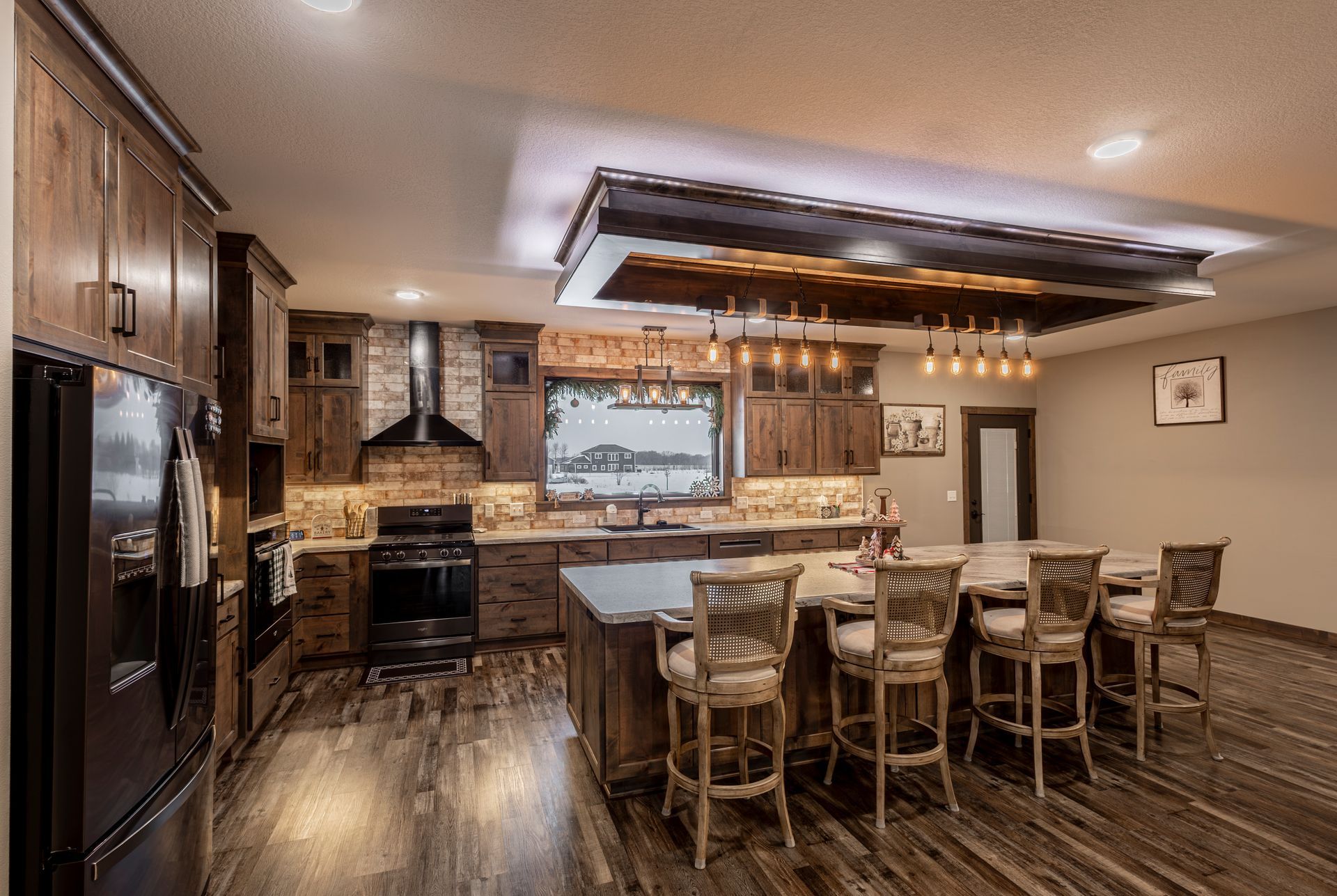
The integration of smart appliances in kitchens can greatly enhance functionality, bringing convenience and efficiency to daily routines. Devices such as smart refrigerators, ovens, and dishwashers allow remote monitoring and control, enabling optimal appliance management. Automated features like recipe-assistance from a smart oven or inventory checks from a connected fridge simplify meal planning and preparation. Additionally, these appliances can provide energy consumption reports, guiding users toward more sustainable living practices. Incorporating smart technology into the kitchen can transform it into a space not only for cooking but also a hub of home automation.
Integrate Seamless Entertainment Systems
Smart entertainment systems revolutionize home leisure by offering centralized control and seamless integration across devices. Homeowners can bring their audio, video, and streaming services together, accessible through voice commands or dynamic mobile apps. Creating a personalized entertainment ecosystem enhances user experience, providing custom settings for various activities, from movie nights to dinner parties. Systems are often expandable, allowing additional device integration over time, thereby offering continuous upgrades to home leisure options. Streamlining entertainment options not only raises the enjoyment factor but also increases the versatility and appeal of any living space.
Embarking on a smart home renovation requires thoughtful planning and understanding of emerging technologies, setting the stage for an enhanced, efficient home environment. By following the outlined steps, first-time renovators can successfully integrate intelligent systems, achieving a balance between cost, functionality, and technological fulfillment. Smart home systems deliver unparalleled comfort, control, and efficiency, confirming the value of a well-planned renovation project. With seamless technology integration, homes transform into modern abodes adept at meeting contemporary lifestyle expectations. As innovation continues to shape the industry, partnering with the right team ensures your vision becomes a reality. For all your home improvement needs, reach out to Done Right Building & Remodeling.