October 1, 2026
Your roof works harder than almost any other part of your home. Every day, it shields your family and belongings from rain, snow, wind, hail, and harsh sunlight, and it usually does so quietly. Because it sits overhead and out of sight, it's easy to forget about until something goes wrong. Unfortunately, by the time water drips onto your living room floor, moisture may have already spread into your insulation, drywall, and the wooden structure beneath your shingles.
Homeowners are putting more money into their properties than ever before. According to Fixr, the overall U.S. home improvement market is expected to reach nearly $614 billion by 2026, and roofing is a significant part of that investment. A roof replacement is one of the most practical upgrades you can make because it protects everything underneath it while improving curb appeal and property value.
Of course, no one wants to replace a roof too early, and no one wants to wait until it fails completely. The key is learning to recognize the warning signs. The sections below cover the most common indicators that your roof is nearing the end of its life, along with why experienced roofing contractors should be part of the decision from the start.
Noticing Missing or Damaged Shingles
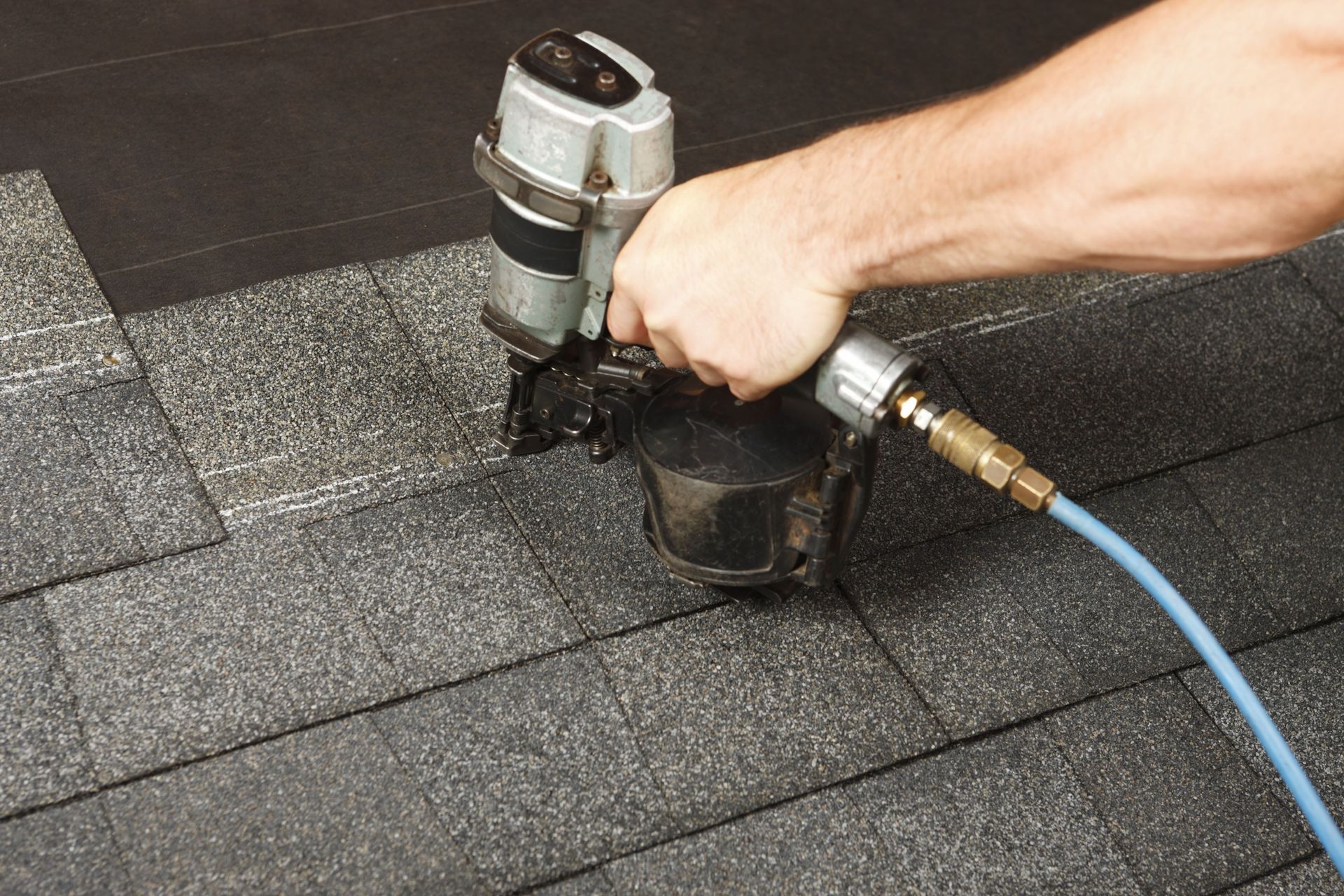
Shingles are your roof's first line of defense, so their condition says a lot about the health of the entire system. Take a walk around your home and look for shingles that are curling at the edges, cracking, buckling, or missing entirely. After a windy night, you might even find pieces of shingles in your yard.
A few damaged shingles don't always mean you need a full replacement. In many cases, targeted repairs or shingle replacement can restore protection to a small area. However, when curling, cracking, or bare spots appear across multiple sections of the roof, it usually means the materials have dried out and lost their flexibility with age. At that point, patching one area often leads to another problem popping up nearby. Qualified roofing contractors can evaluate whether the damage is isolated or widespread and help you avoid spending money on repeated fixes that only delay the inevitable.
Finding Granules in Your Gutters
Asphalt shingles are coated with small granules that protect them from UV rays and help them resist weathering. Over time, those granules loosen and wash away. If you notice what looks like coarse sand collecting in your gutters or at the bottom of your downspouts, your shingles are shedding their protective layer.
Some granule loss is normal shortly after a new roof is installed, but heavy accumulation on an older roof is a red flag. Without granules, shingles age faster, become brittle, and absorb more heat. You may also spot darker, bald-looking patches on the roof surface where granules have worn away. Routine gutter maintenance is a great opportunity to check for this warning sign, and keeping gutters clear also helps direct water away from your roof, siding, and foundation.
Spotting Water Stains on Ceilings and Walls
Brown or yellow stains on your ceilings, peeling paint near the top of your walls, and musty odors in your attic all point to one thing: water is getting in somewhere. Even a small, slow leak can lead to mold growth, rotted wood, and damaged insulation if it goes unaddressed.
Leaks can be tricky to diagnose because water often travels along rafters and decking before it shows up inside your home. The stain on your bedroom ceiling might originate several feet away, near a chimney, vent pipe, or skylight where the flashing has failed. This is one of the clearest situations where working with professional roofing contractors pays off. A thorough roof inspection can trace the leak back to its true source and determine whether a repair will solve the issue or whether the roof has deteriorated to the point that replacement is the smarter choice.
Seeing Daylight Through Roof Boards
On a bright, sunny day, head up to your attic and turn off the lights. If you can see beams of daylight shining through the roof boards, you have gaps that are letting in more than just light. Anywhere sunlight can pass through, rain and melting snow can too.
While you're in the attic, look for damp or compressed insulation, dark streaks on the underside of the roof deck, and signs of mold or mildew. These clues often reveal problems long before they become visible from the ground. Be careful when moving around an attic, though, and stay on the joists to avoid stepping through the ceiling. If you find evidence of light or moisture, it's time to schedule a professional assessment.
Watching for a Sagging Roof Deck
A roof should follow straight, consistent lines. If you notice a dip, sag, or wave along the roofline, especially in the middle of a slope, it may indicate that the decking or underlying structure has been weakened by long-term moisture exposure. A sagging roof is one of the most serious warning signs because it suggests the damage goes beyond the surface.
This is not a problem to investigate on your own. Walking on a compromised roof deck is dangerous, and the structural issues behind the sag require expert evaluation. Contact experienced roofing contractors as soon as possible so they can determine the extent of the damage and recommend the right course of action before the situation gets worse.
Tracking Rising Energy Bills
Your roof plays a bigger role in your home's energy efficiency than many homeowners realize. When shingles deteriorate, ventilation becomes inadequate, or insulation gets soaked by hidden leaks, heated and cooled air escapes more easily. The result is a heating and cooling system that works harder than it should and monthly bills that creep upward.
If your energy costs have climbed without a clear explanation, your roof could be part of the problem. A new roof installation with proper ventilation, quality underlayment, and energy-efficient materials can help regulate indoor temperatures and reduce utility costs. Over time, those savings help offset part of the investment in a replacement.
Recovering From Recent Storm Damage
Severe weather can shorten the life of even a well-maintained roof. Hail can bruise and crack shingles, high winds can lift and tear them away, and fallen branches can puncture the roof surface. In colder climates, heavy snow loads and ice dams add even more stress by trapping water at the roof's edge and forcing it under shingles.
Storm damage isn't always obvious from the ground, which is why a professional inspection after a major storm is so important. Documentation from reputable roofing contractors can also be helpful if you decide to file an insurance claim. Be cautious of unfamiliar crews that go door to door after a storm offering quick, cheap fixes. Choosing licensed, insured, local professionals helps ensure that storm damage restoration is done correctly and that your roof is ready for the next round of severe weather.
Your roof gives you plenty of clues when it's struggling. Catching these issues early can help you avoid costly interior damage and give you more control over the timing and budget of your project. The sooner trusted roofing contractors take a look, the more options you'll have.
Ready to find out whether your roof needs repairs or a full replacement from experienced roofing contractors? At Done Right Building & Remodeling, we provide roof inspections, roof repairs, shingle replacement, storm damage restoration, gutter installation and maintenance, and new roof installations. Our licensed and insured team handles the necessary permits and offers free quotes within a week, so you can move forward with confidence. Call or text us at (320) 684-3032 today to schedule your roofing consultation and see why homeowners count on us to get the job done right the first time.