November 3, 2026
Replacing or selecting siding for your home can alter its appearance, increase property value, and boost energy efficiency. Homeowners often collaborate with local home builders to navigate the broad array of cladding materials available today. Evaluating your budget, architectural preferences, and regional weather patterns ensures your investment yields long-term satisfaction.
Selecting the ideal exterior finish requires balancing functionality with visual charm. Experienced local home builders assist in evaluating climate challenges, maintenance costs, material longevity, sustainability goals, and installation logistics.
Evaluate Local Climate Conditions
Weather patterns play a decisive role when determining which siding material best protects your house. Regions subjected to intense summer sunlight require UV-resistant materials that resist fading and heat degradation. Areas experiencing heavy rainfall or high humidity demand moisture-resistant products that prevent rot. Consulting with local home builders provides insight into which materials hold up best against regional weather challenges.
Seasonal temperature shifts exert mechanical stress on exterior cladding throughout the year. Materials expand and contract as environmental conditions fluctuate between summer heat and winter freezing. Siding that lacks flexibility or thermal stability can crack or separate under changing conditions. Selecting products engineered to endure severe weather cycles preserves structural integrity and exterior appeal.
Insulation performance remains another critical aspect of climate adaptability for modern residences. Exterior cladding acts as a barrier against heat transfer, directly impacting interior comfort and utility costs. Products featuring integrated thermal backing create a tighter building envelope that reduces heat loss during cold seasons. Choosing siding with strong insulating properties ensures consistent indoor comfort while lowering energy consumption.
Calculate Total Project Costs
Navigating exterior renovations requires balancing initial material purchase prices against long-term maintenance expenses. While certain options require lower upfront commitments, premium materials like fiber cement or brick offer superior longevity that offsets initial costs over time. Working alongside skilled local home builders helps property owners establish realistic budgets that align material quality with financial goals.
Ongoing maintenance obligations represent a significant component of overall exterior cladding costs. Traditional wood siding requires periodic repainting, sealing, and inspections to prevent moisture damage and pest intrusion. Alternatives such as vinyl or engineered cladding demand minimal upkeep, saving homeowners time and money over time. Factoring regular maintenance costs into financial planning prevents unexpected expenses.
Market trends highlight the importance of tailored choices in residential construction. Custom-built residences account for about 19% of single-family home starts in America, according to the National Association of Home Builders. This statistic reflects how property owners prioritize customized solutions that balance immediate construction expenditures with long-term property appreciation. Exploring flexible financing plans and energy incentives can make high-quality cladding options accessible.
Select Complementary Architectural Styles
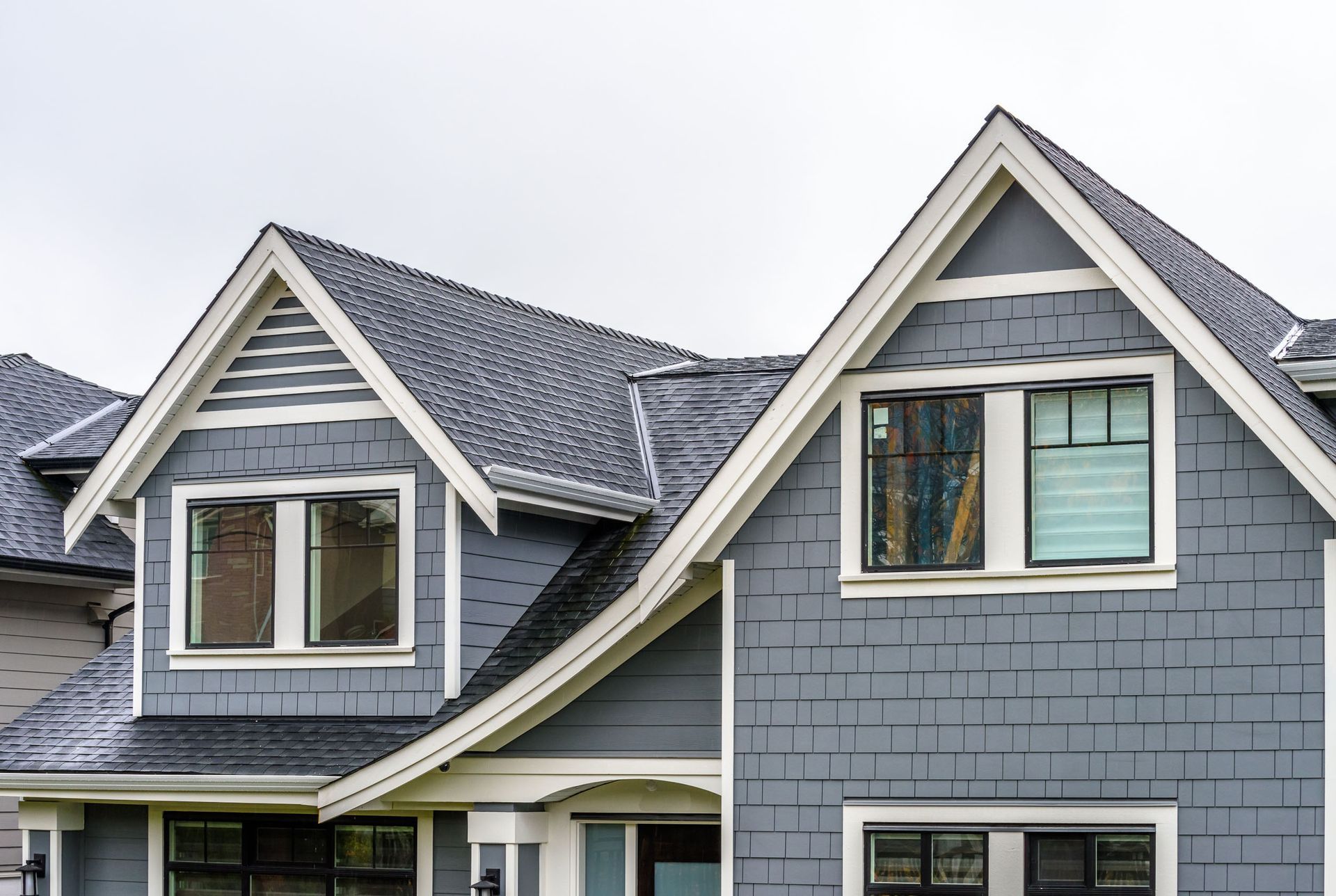
The aesthetic style of your exterior siding should harmonize seamlessly with your home's architectural design. Historic or traditional house styles benefit from classic wood planking, brickwork, or composite materials that honor traditional craftsmanship. Contemporary home designs frequently utilize sleek metal panels, smooth fiber cement, or vertical cladding to highlight clean geometric lines. Experienced local home builders understand how to match material options with specific architectural profiles to maximize curb appeal.
Color choices and surface textures heavily influence the visual personality of your home's exterior profile. Modern manufacturing techniques provide an extensive spectrum of fade-resistant colors and realistic textures, ranging from wood-grain finishes to smooth matte surfaces. Selecting complementary trim shades, accent colors, and texture combinations creates visual depth. Thoughtful aesthetic planning ensures your home makes a positive impression while fitting naturally into the neighborhood.
Achieving visual harmony requires coordinating new siding with existing exterior elements, such as roofing materials, window trims, entry doors, and surrounding masonry. Mismatched colors or conflicting material textures can disrupt visual balance. Evaluating sample boards against exterior walls in natural daylight helps verify color accuracy before installation begins. Dedicated design planning creates a cohesive, polished appearance that enhances property value.
Assess Long-Term Material Durability
Durability determines how well exterior materials withstand mechanical impacts, environmental wear, and aging. High-performance products resist cracking, denting, and chipping caused by severe weather events like hail storms or flying debris. Reputable local home builders often recommend materials designed to retain structural integrity and visual appeal across many years without requiring frequent repairs or early replacement.
Resistance to biological threats like mold, rot, and pest infestations is essential for long-term reliability. Untreated natural wood can become vulnerable to moisture accumulation and insects if regular sealing is neglected. Non-porous options like fiber cement, aluminum, and vinyl present an inhospitable environment for pests and fungus, drastically reducing maintenance demands while preserving structural safety.
Reviewing manufacturer warranty coverage provides vital confidence when choosing premium exterior cladding products. Warranty coverage reflects manufacturer confidence in product durability and structural stability under normal operating conditions. Comprehensive warranties cover issues like premature fading, warping, or material defects, protecting your financial investment. Carefully reviewing warranty terms ensures complete peace of mind regarding product quality and performance.
Prioritize Eco-Friendly Siding Options
Environmental sustainability has become a key consideration for eco-conscious property owners selecting building materials. Sustainably harvested timber, certified by recognized forestry organizations, offers a renewable option with minimal environmental impact. Recycled aluminum and steel cladding also provide exceptional eco-friendly benefits by reducing manufacturing waste and conserving natural resources. Knowledgeable local home builders can guide homeowners toward eco-friendly options that balance environmental responsibility with high performance.
Evaluating manufacturing lifecycles and end-of-life recyclability helps determine the total environmental impact of selected building products. Materials that can be fully recycled at the end of their useful lifecycle prevent landfill waste and support sustainable building practices. Choosing manufacturers that utilize green production methods reduces the carbon footprint of your home renovation project.
Energy efficiency represents another crucial green benefit associated with high-quality siding installation. Insulated cladding systems minimize thermal bridging, helping maintain consistent indoor temperatures and lowering energy consumption for heating and cooling systems. Reducing household energy usage decreases utility costs while lessening environmental impact. Selecting sustainable siding supports eco-conscious living and creates a comfortable environment.
Prepare Efficient Installation Workflows
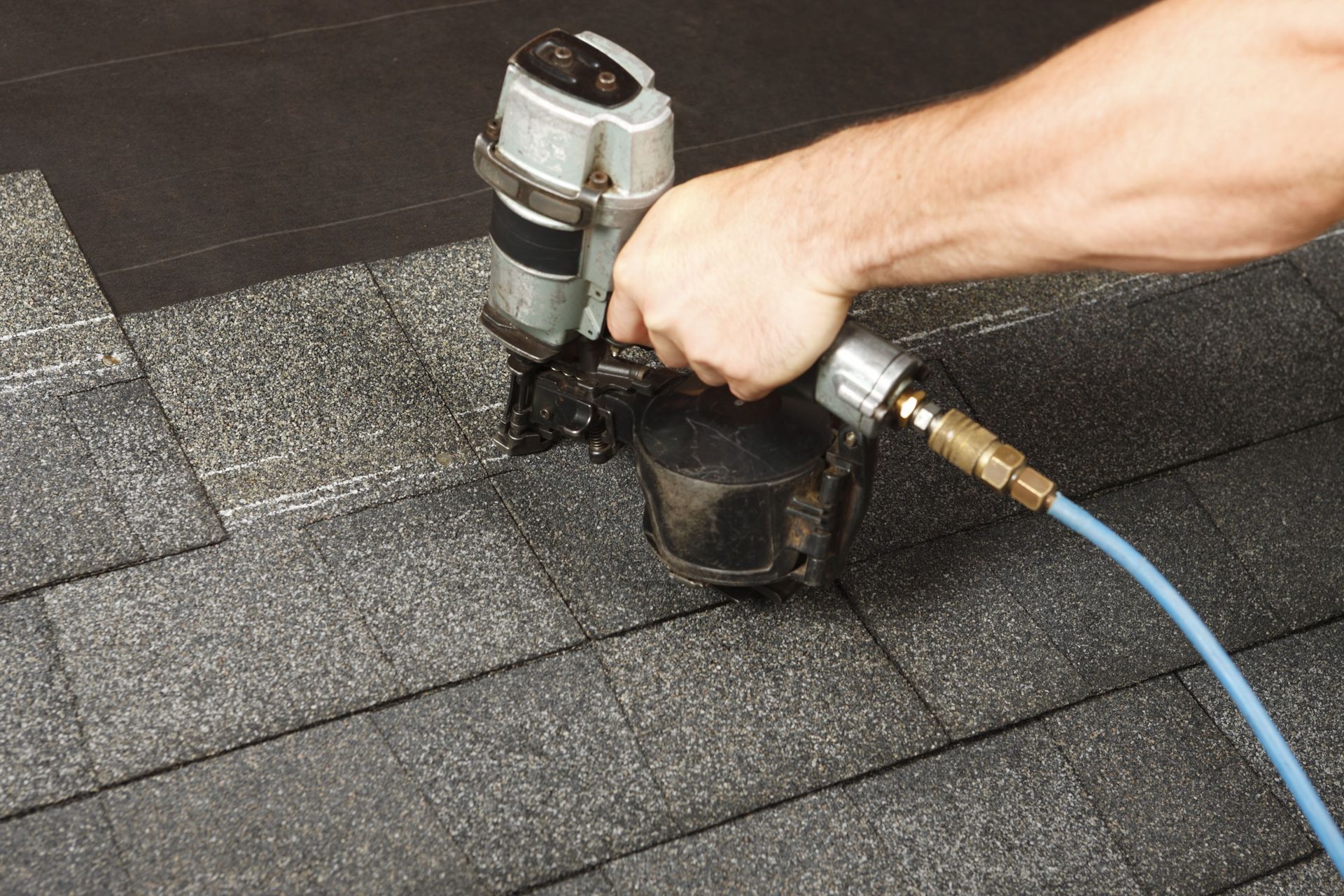
Executing a successful siding project requires choosing between self-installation and hiring seasoned professional contractors. While adventurous DIY enthusiasts may attempt minor siding repairs, complete exterior installation demands specialized tools, safety gear, and technical precision. Professional installation ensures accurate panel alignment, proper moisture barrier placement, and adherence to building codes, preventing costly mistakes and structural damage down the line.
Project timelines vary based on material selection, home size, architectural complexity, and weather conditions during construction. Lightweight products like vinyl can often be installed quickly, minimizing disruption to daily routines. Heavier options such as real brick, natural stone, or thick fiber cement require intricate labor and specialized techniques that extend installation timelines. Coordinating schedules with professional local home builders ensures smooth execution and timely project completion.
Post-installation care and regular inspection preserve the beauty and protective qualities of your new exterior cladding. Establishing a routine maintenance schedule that includes annual cleaning, gutter inspection, and caulking touch-ups protects your siding from gradual wear. Inspecting seam seals and wall intersections after major storms catches minor issues before they develop into serious leaks. Proper maintenance practices safeguard your investment for years to come.
Selecting the right siding material is a decision that impacts your home's appearance, structural resilience, maintenance expenses, and energy efficiency. Researching climate compatibility, budgeting parameters, aesthetic preferences, durability expectations, and sustainability goals ensures long-term satisfaction. By considering these essential factors, homeowners align their siding selections with personal financial goals and property requirements.
Working with skilled professionals makes transforming your home's exterior a seamless and rewarding journey. We invite you to contact us today to discuss your vision, explore premium material choices, and schedule a consultation with our dedicated team at Done Right Building & Remodeling.