July 27, 2026
Renovating a culinary space represents a major milestone for property owners. A successful project requires careful planning, clear communication, and skilled professionals. People dream of beautiful countertops, spacious cabinets, and modern appliances transforming their cooking areas. However, turning these dreams into reality involves navigating complex decisions and avoiding common pitfalls. Many individuals rush the planning phase, leading to costly errors and immense frustration throughout the renovation process.
Finding capable professionals determines the ultimate success of the remodeling project. Homeowners struggle to evaluate candidates and review portfolios with sufficient scrutiny. Selecting an incompatible team causes unneeded delays and subpar workmanship. Selecting competent kitchen remodelers requires immense diligence and comprehensive research from the outset. Examining common errors helps individuals make informed choices and achieve their desired results without enduring unnecessary financial strain.
Neglecting the Evaluation of Past Portfolios
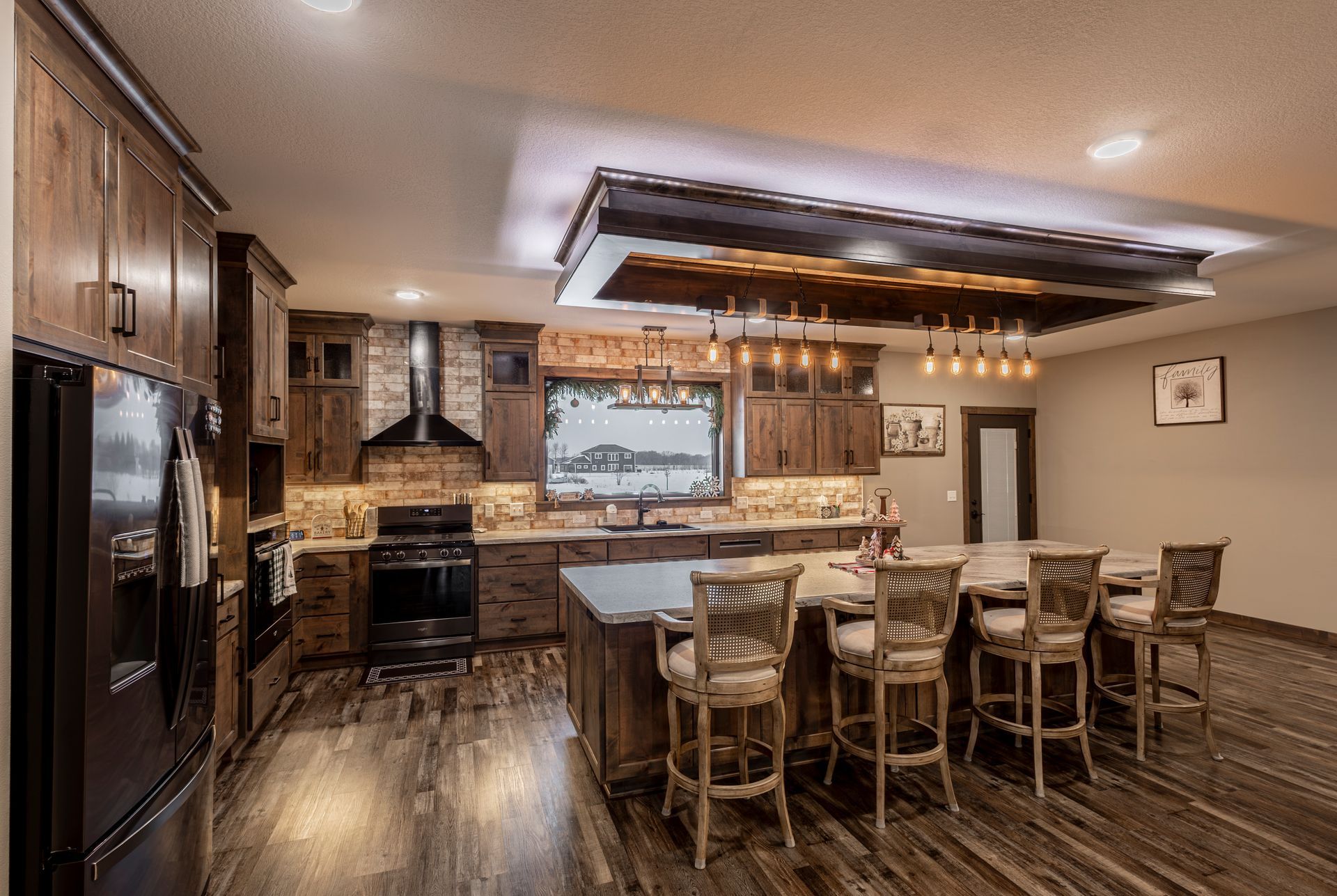
Homeowners fail to review previous work examples before hiring contractors. A portfolio provides a clear window into the skill level and design aesthetic of potential kitchen remodelers. Without examining past projects, clients gamble on the outcome of their own homes. Visual evidence demonstrates a contractor’s ability to execute specific styles, from modern to traditional. A strong portfolio proves competence and provides peace of mind.
Reviewing photographs allows homeowners to scrutinize subtle attention to detail. Poor tile alignment, uneven cabinet doors, and messy caulk lines become apparent in high-resolution images. Professionals who take pride in their craft maintain extensive galleries showcasing their greatest achievements. A lack of available photographs indicates a lack of experience or substandard past performance. Clients must demand comprehensive visual proof before committing to binding agreements.
Speaking with past clients adds valuable context to curated portfolio images. Homeowners should request contact information for previous customers to gain deeper insights. These conversations reveal crucial details about the contractor’s work ethic, communication style, and adherence to established timelines. Hearing about past experiences prevents future headaches and sets realistic expectations. Past clients provide unfiltered feedback regarding daily construction realities.
Assessing long-term durability matters as much as initial aesthetics. According to the National Kitchen & Bath Association's 2026 Kitchen Trends Report, kitchen renovation projects are primarily driven by Gen X (35%) and Baby Boomers (32%), who place a strong emphasis on long-lasting storage options that improve everyday functionality. Homeowners must ensure past projects have withstood daily wear and tear. High-quality craftsmanship ensures the space remains functional and attractive long after completion.
Ignoring the Verification of Professional Credentials
Another frequent mistake involves overlooking mandatory licensing and insurance requirements. Legitimate kitchen remodelers carry appropriate documentation to operate and protect their clients. Unlicensed contractors submit lower bids, tempting budget-conscious homeowners into risky agreements. However, hiring unqualified individuals exposes property owners to massive financial and legal liabilities. Cutting corners on professional verification leads to disastrous consequences that negate initial financial savings.
Proper licensing guarantees the contractor understands local building codes and safety regulations. Municipalities mandate specific standards for electrical, plumbing, and structural modifications. Licensed professionals pass rigorous exams and maintain their education to stay current with modern industry practices. Failing to meet these strict standards results in hazardous living conditions and potential code violations. Code violations force homeowners to pay for extensive revisions before selling their properties.
Insurance coverage protects homeowners from unexpected accidents and severe property damage. A comprehensive policy includes general liability and workers' compensation protections. If an uninsured worker sustains an injury on the job site, the homeowner becomes responsible for medical bills and lost wages. Requesting proof of insurance safeguards individuals from catastrophic financial losses. Confirming coverage remains a non-negotiable step for any major renovation.
Verifying these credentials requires minor effort but prevents years of stress. Homeowners should contact local licensing boards and insurance providers to confirm the validity of documents. Diligent individuals create a secure environment for their renovation project. This proactive approach eliminates the immense risks associated with incompetent or reckless laborers damaging the property or causing harm.
Skipping the Clarification of Contract Details
Vague agreements lead to miscommunication and intractable disputes. Homeowners sign contracts without reading the fine print or demanding necessary specifics. A comprehensive contract acts as a guiding roadmap for the entire renovation. It outlines expectations, responsibilities, and deliverables for the client and the hired kitchen remodelers. Without a strong contract, clients lack legal recourse if the project deviates from their original vision.
The document must include a detailed and exhaustive scope of work. This section specifies every task, from demolition to final touch-ups. Ambiguous language allows contractors to cut corners or demand additional payments for assumed inclusions. Explicit descriptions of tasks ensure everyone understands the project's boundaries and requirements. Detailed scopes prevent surprise billings and keep the budget aligned with the homeowner's financial expectations.
Payment schedules require explicit definition within the finalized written agreement. Homeowners should avoid front-loading massive payments before work begins. A structured plan ties financial installments to specific, verifiable project milestones. This structure maintains contractor motivation and protects the homeowner's capital throughout the renovation process. Withholding final payment until a thorough walkthrough occurs ensures the kitchen remodelers complete all finishing touches to the client's satisfaction.
Timeline expectations also need clear documentation and mutual agreement. Renovations disrupt daily life, making firm start and completion dates essential for household harmony. While unforeseen delays happen, a defined schedule establishes accountability. Contracts should address protocols for handling material delays and specify the process for approving changes to the original plan. Formal change orders protect the homeowner and contractor from misunderstandings regarding expanded work scopes.
Rushing the Selection of Material Components
Hasty material choices compromise aesthetics and longevity. Homeowners select items based on appearance without considering practical daily applications. Evaluating countertops, flooring, and cabinetry requires diligent research into maintenance needs and inherent durability. Some materials look gorgeous in showrooms but sustain scratches, stains, or water damage with minimal residential use. Selecting durable materials guarantees the renovation maintains its beauty despite daily wear.
The functional layout and selected components must support the household's activities. A busy family needs solid surfaces that resist spills and heavy impacts. Delicate finishes suit quiet homes but fail under the rigorous demands of active environments. Homeowners must match their material selections to their lifestyle, ensuring the space remains pristine despite heavy usage. Practicality must balance with visual appeal to create a successful culinary space.
Lighting and hardware decisions occur as afterthoughts, yet they dictate the atmosphere. Inadequate illumination creates dark shadows and makes meal preparation difficult. Hardware finishes tie the structural design together and provide necessary tactile interaction with cabinets and drawers. Deliberate selection of these elements elevates the overall design and improves daily usability. Layered lighting plans provide task illumination and ambient glows to suit various times of day.
Delaying final material choices until the last minute forces rushed decisions. Supply chain disruptions cause significant delays for specialized items. Selecting and ordering products in advance ensures immediate availability and keeps the construction project on schedule. Proactive homeowners research, sample, and finalize their material choices long before demolition begins. Having materials on site prevents frustrating work stoppages and allows contractors to maintain a steady construction pace.
The ultimate success of the project relies on the expertise of capable kitchen remodelers. Individuals who invest ample time in proper preparation reap the benefits of a beautiful, functional space. A well-executed renovation enhances daily life and adds significant financial value to the property itself. Careful planning ensures the finished room serves as a joyful gathering place for family and guests, providing comfort and utility. When you are ready to transform your culinary space, contact our team at Done Right Building & Remodeling to guide you through a seamless renovation. As experienced kitchen remodelers, we focus on delivering exceptional craftsmanship and avoiding these common pitfalls so you can enjoy the results.